Evaluating Data and Predictive Insights to Close More Deals 

In Cox Automotive’s 2024 Power of Data research study, four out of five dealers agree: Data can help them forecast trends, generate and capture demand, become more efficient, and maximize profits. And yet, only 26% of dealers are confident in insights provided by third-party vendors.  

The recent surge of third-party tools that provide data and leverage AI-generated insights means dealers have seen results that are all over the place. Dealers face three major challenges: 

  • The technology providing insights does not have access to real-time customer data 
  • The data is inconsistent across multiple dealership systems and tools 
  • The data simply isn’t detailed enough 

Given these concerns, it’s no surprise dealers have been hesitant to invest in solutions that can use this data to automate workflows and provide AI-driven insights. With the right partner, dealers can leverage granular data that is clean, consolidated, and ready to activate.  

How dealers can ensure the quality of data 

There are two key things to consider as you evaluate your data for use with AI and automation applications:  

  • Choose the right data source. Quality, real-time, consolidated data is foundational to the success of newer technology like marketing automation and AI, but not all data sets are created equal.  

For example, the solutions offered by Cox Automotive are powered not only by the dealer’s first-party data, but also by consumer data from 82 million unique visitors of Autotrader, Kelley Blue Book and Dealer.com—insights spanning the full shopping and ownership journey.  

The level of detail that comes with this behavioral data makes all the difference. It empowers sales managers to craft winning deals in real time and pinpoint the exact moment customers are ready to buy.  

  • Consider what you have technology doing vs. what you have people doing. Be realistic about what your technology does best and what your people do best. Look for solutions that can identify shoppers who are more likely to buy—even before they ever submit a lead. Trusting those insights and acting on them can give you a huge competitive advantage, especially if you level up your communications with generative AI. 
     
    But your people are still going to be best at 1-on-1 conversations. Don’t fall victim to the all-or-nothing mindset; you need your people and your technology to work together. 

Key questions to evaluate data 

  • Where is the data coming from? Does it give a full picture of the consumer’s intentions? 
  • Is the data current and accurate? Is it available in real time or is it batched? 
  • How specific is the data? Is it gathered directly from a specific buyer, or is it based on “similar” shoppers?  

How dealers can evaluate predictive insights 

Predictive insights and machine learning aggregate data to help guide decision-making and improve business results. They power the recommendations you see on most retailing sites and are some of the most powerful AI tools available to the automotive retail industry today.  

With the right data, tools, and partner, predictive insights can identify current, high-quality leads who are more likely to close than other lead types, helping the sales team prioritize their efforts.  

Going one step further, these insights can provide a detailed picture of a shopper. They reveal even more about the consumer: what they are looking for in a car, their overall budget, their payment ranges, and their intended trade-in vehicle—intel that empowers sales managers to put together winning deals in real time and pinpoint the exact moment customers are ready to buy.  

Key questions to evaluate predictive insights 

  • Are the insights delivered at the right time with real-time information? 
  • Are the predictive insights shopper-specific and actionable? Are they based on real actions from each unique shopper? Can the insights provide buying signals about the shopper?  
  • Are the insights incorporated into day-to-day dealer workflows? Are they easy to access by your staff within existing tools? 

With access to consolidated, clean, ready-to-activate data delivered in real time, dealers can unlock powerful insights that reveal more about car buyers: the make and model they’re interested in, their monthly payment range, and even how ready they are to buy.  

Only VinSolutions Predictive Insights empowers sales managers with exclusive insights that tell them exactly when a shopper is ready to buy. 

Fighting Fraud: What Every Automotive Dealer Needs to Know

Margaret Bosworth, Director of Fraud, Identity, and Compliance Solutions at Equifax, joins Jade Terreberry for the first of a two-part series focused on fraud prevention in the automotive industry. In this first episode, the different types of fraud—first-party, third-party, and synthetic identity fraud—are broken down highlighting how education, technology, and cross-industry collaboration are key to protecting dealerships and consumers. Listen for insights into emerging fraud trends and how both Cox Automotive and Equifax are evolving its tools to help dealers stay ahead of threats while maintaining a smooth customer experience.

Guest Expert:

Margaret Bosworth

Director of Fraud, Identity and Compliance Solutions

Auto, Insurance and Telco Vertical

Equifax

Key Takeaways:

Understanding Fraud Types: Learn the differences between first-party fraud (like credit washing) and third-party fraud (including synthetic identities) and how they impact dealerships.

Emerging Threats: Hear how fraudsters are evolving, including the use of child SSNs and fake identities to build synthetic credit profiles.

Technology as a Defense: See how real-time data, device behavior tracking, and fraud detection tools can identify suspicious activity early in the customer journey and can help you combat fraud.

Cross-Industry Collaboration: Understand the importance of partnerships between dealers, lenders, and tech providers to create a unified fraud prevention strategy.

Creating a Fraud-Aware Culture: Learn why dealership-wide education and awareness are essential to successfully adopting fraud prevention tools and practices to protect your business.

Timestamps:

0:00 – 0:31 

Introduction

Jade Terreberry introduces the topic of fraud and guest Margaret Bosworth, kicking off part one in a two-part series on fraud prevention in automotive.

0:31 – 2:20 

Defining Fraud in Automotive

Margaret explains the importance of understanding fraud and balancing customer experience with risk mitigation in automotive.

2:20 – 4:14 

First-Party vs. Third-Party Fraud

Breakdown of the two main fraud categories and their relevance to dealerships, including an intro to credit washing and synthetic IDs.

4:14 – 5:46 

Credit Washing Explained

Margaret provides a relatable example of credit washing and how it can mislead dealers and lenders during underwriting.

5:46 – 7:33 

Synthetic Identity Fraud

Discussion on how synthetic identities are created and why they’re a growing threat in the automotive space.

7:33 – 9:29 

Fraud Detection Technology

Jade and Margaret explore how Cox Automotive and Equifax use advanced tools to detect bot behavior and non-human activity.

9:29 – 11:13 

Predictions and Future Threats

Margaret shares predictions on fraud trends they are seeing at Equifax and how evolving customer journeys create both risks and opportunities for detection.

11:13 – 12:28 

Equifax’s Role and Industry Collaboration

A look into how Equifax partners with Cox Automotive and others to build practical, real-time fraud prevention solutions.

12:28 – 14:04 

Building a Fraud-Aware Culture

Jade and Margaret discuss the importance of internal education and making fraud awareness part of dealership culture, and what you can gain by doing so.

14:04 – 15:51 

Final Thoughts and Anecdote

Margaret shares a personal story with her children that illustrates the mission of fraud prevention and the importance of understanding its impact.

15:51 – 17:26 

Closing Remarks

Jade previews part two of the podcast series with Cox Automotive and Equifax and encourages listeners to subscribe for more insights and tools to protect their dealerships, as well as the first to hear when the 2nd part of the series is released.

2025 EV & Hybrid Insights 

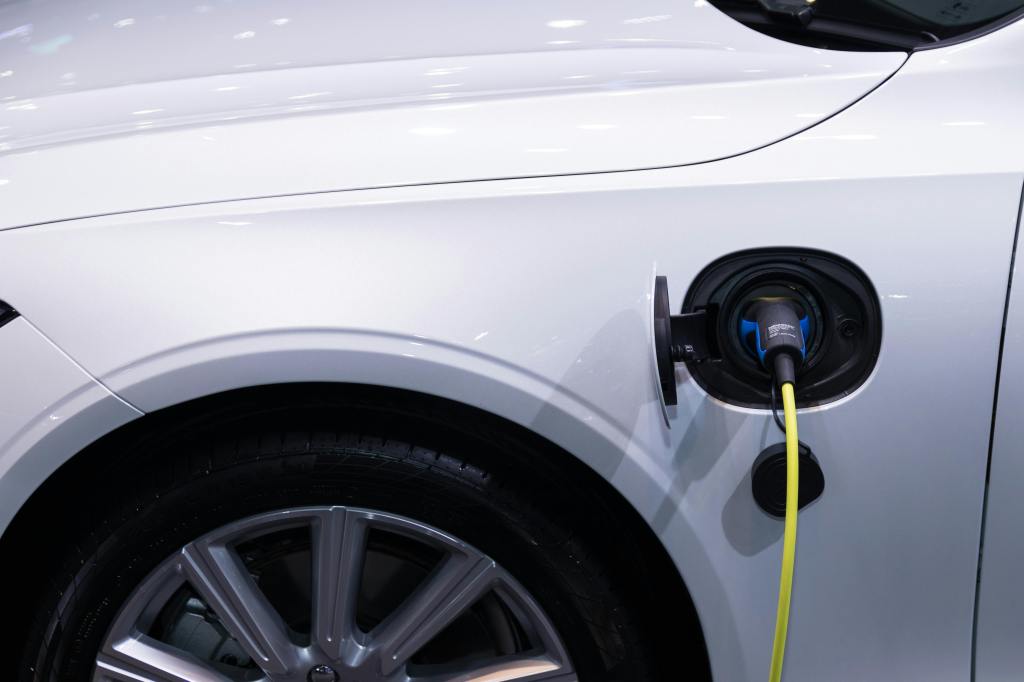
In automotive, there is no bigger task ahead than the shift to electrification. While there are still concerns about costs and charging infrastructure, sales show that more people are adopting EVs. In the first quarter of 2025, EV sales increased by 11.4% compared to last year. Interestingly, this growth is coming from brands other than Tesla.  While Tesla’s sales declined, new models from Acura, Audi, Chevrolet, Honda and Porsche helped boost overall EV sales. 

At Cox Automotive, we remain optimistic about the future. Despite some ups and downs, and starts and stops in regulations, we see a strong interest in EVs among consumers. Our data shows that an average of 4.4 million households have shown interest in electric vehicles over the past 90 days. 

Additionally, research and shopping for EVs on Autotrader and Kelley Blue Book have remained stable, with a 9% increase in New Car Visits year-over-year. Similarly, we’ve seen Hybrid and Plug-In Hybrid shopping increase by 11% year-over-year.  While interest varies across different regions in the U.S., we’ve seen an increase in EV and Hybrid shopping across all Census Regions, even with lower gas prices.    

Download our latest EV and Hybrid shopper data and explore advertising opportunities with Cox Automotive to reach this highly engaged audience.  

In the meantime, continue preparing for the rise in EV adoption, and read our blog on increasing consumer adoption of EVs. Here’s a snapshot of a few insights and the actions you can take to focus on EV sales: 

Insight: Shoppers are skeptical about making the EV switch.  

Action: Incorporate more EV related material in your content. EV buyers actively seek information online, consuming more content than their (ICE) counterparts. Since the concept of EVs is still new to some shoppers, they rely heavily on content, especially videos, when researching online 

Insight: EV Shopper demographics are becoming more mainstream.  

Action: Use data to your advantage and work with your digital marketing partner to ensure your EV advertising is getting in front of more consumers that are interested in EVs. Additionally, provide more education around EVs about what manufacturers sell EVs, and the different models and varying price ranges can help with awareness.  

Insight: Dealers need to feel confident to sell EVs.  

Action: As a dealer, ensure you are reaching out to your OEMs to help educate consumers on their line-up, on the key differences and benefits of EV vs. ICE, as well as provide information on EVs listed for sale. 

The road to electrification certainly has not been a linear progression, but there’s a lot to be optimistic about with exciting new products and a robust and growing consumer base.   

From Online Interest to In-Store Sales: Operational Strategies That Work

GUEST:

Chad Atwater

Director of Sales

Autotrader and Kelley Blue Book

Guest Expert: Chad Atwater, Director of Sales for Autotrader and Kelley Blue Book, joins Jade Terreberry to have a quick but impactful conversation at the AIS NRC Conference to discuss how dealers can use real-time data to drive performance and stay competitive in a rapidly shifting market. Chad shares practical strategies he sees working inside dealerships for leveraging tools like nVision to manage inventory, optimize operations, and align digital activity with physical lot performance, also emphasizing the importance of dealership processes in converting online engagement into closed deals.

Key Takeaways:

Real-Time Data is Critical: Dealers must use tools like Envision to monitor and respond to consumer behavior in real time.

Virtual Lot Activity Predicts Physical Lot Success: Online engagement is the most direct indicator of upcoming in-store activity.

Optimize Every Step from Click to Close: Success depends on managing the full customer journey—from first click to final sale—through operational efficiency.

Dealer Processes Matter: Internal dealership processes must be aligned and efficient to convert digital leads into real-world sales.

Use Metrics That Matter: Focus on actionable analytics to make smarter decisions and move inventory faster.

Timestamp:

0:00 – 0:31 

Introduction

Jade Terreberry introduces the podcast and welcomes Chad Atwater, Director of Sales for Autotrader and Kelley Blue Book.

0:31 – 1:45 

Real-Time Data and nVision

Chad emphasizes the importance of using real-time data tools like Envision and highlights the value of Jeff Flak’s weekly sessions.

1:45 – 3:12 

Virtual Lot as a Predictor

Discussion on how online consumer behavior is the best indicator of what will happen on the physical lot.

3:12 – 4:32 

Operational Optimization

Chad explains how dealers can use real-time data to manage inventory, people, and processes more effectively.

4:32 – 5:35 

Using the Click to Close Strategy

Jade and Chad discuss the importance of dealership processes in converting digital engagement into sales, emphasizing the full journey from click to close.

Digitize Your Dealership Checklist

Blend online and digital processes in six easy steps

The most successful automotive retail stores are integrating online and in-store processes. Learn to create a hybrid experience that saves time, builds trust, and improves the car buying experience. This simple checklist will help you balance online processes with digitally supported in-store steps to build a unified experience.

Understanding Consumer Behavior: Fast Tracking a Click to Close

Guest Expert: Noah Lee, Director of Product Consulting for Dealer.com, joins Jade Terreberry at the AIS NRC Conference to discuss the critical steps between click and close in the car buying process. Noah shares insights on how understanding consumer behavior and leveraging data can optimize marketing strategies, enhance the customer experience, and drive higher conversion rates, highlighting the importance of the Retail 360 ecosystem in creating a seamless, connected experience for both consumers and dealers.

Noah Lee
Director of Product Consulting
Dealer.com and Cox Automotive

Key Takeaways:
Understanding Consumer Behavior: Learn how capturing and analyzing consumer data can help tailor marketing efforts to meet shoppers’ needs at different stages of the buying process.

Retail 360 Ecosystem: Discover the benefits of Cox Automotive’s Retail 360 ecosystem in providing a connected, frictionless experience from online research to in-store interactions.
Optimizing Follow-Up: Understand how detailed consumer insights can improve follow-up strategies, making them more personalized and effective.

Seamless Transitions: Explore how reducing repetitive steps and ensuring smooth transitions between online and in-store processes can enhance the overall customer experience.

Leveraging Real-Time Data: Gain insights into the importance of using real-time data to make informed decisions and improve dealership operations.

Timestamps:

0:00 – 0:31
Introduction
Jade Terreberry introduces the podcast and the guest, Noah Lee, Product Manager for Dealer.com.

0:31 – 1:45
Guest Introduction
Noah Lee is welcomed to the podcast, and Jade highlights his expertise and relevance to the topic.

1:45 – 3:12
Importance of Click in the Buying Process
Noah discusses the significance of the initial click and how it sets the stage for the entire car buying journey.

3:12 – 4:43
Understanding Consumer Behavior
Noah explains how capturing and analyzing consumer data can help tailor marketing efforts to meet shoppers’ needs.

4:43 – 6:09
Retail 360 Ecosystem
Discussion on the benefits of Cox Automotive’s Retail 360 ecosystem in providing a connected, frictionless experience.

6:09 – 7:14
Optimizing Follow-Up
Noah shares insights on how detailed consumer data can improve follow-up strategies, making them more personalized and effective.

7:14 – 8:17
Seamless Transitions
Exploration of how reducing repetitive steps and ensuring smooth transitions between online and in-store processes can enhance the customer experience.

8:17 – 9:27
Leveraging Real-Time Data
Noah emphasizes the importance of using real-time data to make informed decisions and improve dealership operations.

9:27 – 10:47
Building Sales Team Confidence
Jade and Noah discuss the need for dealership staff to gain firsthand experience with EVs to confidently guide customers.

10:47 – 11:02
Closing Remarks
Jade wraps up the episode, thanking Noah for his insights and encouraging listeners to subscribe for future episodes.

Countdown to Conversion: AI Personalization That Meets Every Shopper Where They Are

With Dealer.com’s AI-powered Experience Optimization, shoppers see the most relevant vehicles, offers, and content the moment they land on your site—no matter how they browse or where they started their journey (Autotrader, KBB.com, or your own website). Advanced AI analyzes every click and interaction to deliver a truly personalized experience. 

How AI-Powered Website Personalization Works 

Experience Optimization is Dealer.com’s website personalization engine. It unifies privacysafe firstparty signals from Autotrader, KBB.com, and Dealer.com, then uses AI to dynamically adapt critical elements across your site—inventory tiles, banners, specials, and recommendations—based on each visitor’s shopping behavior and budget signals.  

What changes for each shopper (automatically): 

  • Inventory & Recommendations: Prioritized vehicles that match body style, trims, and price ranges they’ve been exploring. 
  • Payments & Incentives: Modern specials and offers aligned to declared or inferred budget. 
  • Content & CallstoAction: Home page hero, SRP/VDP modules, and service promos tuned to their interests. 

What Dealers Get: Measurable Lift, Less Manual Work 

By leveraging browsing behavior, search history, and entered data to personalize the experience, dealers see more engagement and more leads – 2x VDP views and +33% lead submissions compared to non-personalized experiences.*  

See It In Action 

Ready to turn more shoppers into leads with a site that adapts in real time? Schedule a quick demo and we’ll show you how to start using Dealer.com’s AI-powered personalization to transform your website, and your results.   

*Source: Statistics based on 9,582 Dealers that have utilized Modern Specials, comparing shoppers that only saw Personalized Specials impressions vs shoppers that only saw Non-Personalized Specials impressions from 01/01/2024 – 07/31/2024.  

Tariff and EV Market Talks: Updates, E-Commerce and the Opportunity Dealers Can’t Miss

Guest Expert: Jimmy Douglas, Founder of Plug, joins Jade Terreberry to break down the evolving landscape of electric vehicles (EVs) and what it means for dealers today. From shifting consumer use cases to the impact of tariffs and the growing opportunity in used EVs, Jimmy shares practical insights on how dealers can better position themselves in the EV market. He also emphasizes the importance of hands-on education for dealership staff and how e-commerce is uniquely aligned with EV buyers.

Key Takeaways:
EV Use Cases Are Expanding: EVs are no longer just for early adopters—improved affordability and utility are making them viable for a broader range of consumers.

Tariffs Could Boost Used EV Values: New vehicle tariffs may lift used EV values, helping buyers with negative equity re-enter the market.

Used EV Market Opportunity: Dealers should not shy away from used EVs, especially with tax credits and brand-loyal, tech-savvy buyers entering frequent trade cycles.

E-Commerce and EVs Align: EV buyers are more likely to complete purchases online, making digital retailing a key growth area.
Sales Staff Must Be EV-Confident: Dealerships should prioritize hands-on EV experience for their teams to build confidence and improve customer education.

Timestamp:

0:00 – 0:31 Introduction
Jade Terreberry introduces the podcast and welcomes guest Jimmy Douglas, Founder of Plug, highlighting his recent panel on EV utility and use cases.

0:31 – 2:09 EV Misconceptions and Use Cases
Jimmy discusses common anti-EV arguments and explains how EVs are ideal for specific use cases like commuting, while the affordability and utility gap between EVs and ICE vehicles continues to close.

2:09 – 3:31 EV Affordability and Infrastructure Improvements
Jimmy highlights how improved range, better charging infrastructure, and narrowing price gaps are making EVs more practical for a wider audience.

3:31 – 4:43 Tariffs and Used EV Value
Jimmy explains how tariffs on new vehicles could lift used EV values, helping buyers with negative equity re-enter the market and encouraging more trade-ins.

4:43 – 5:34 EV Buyer Behavior and Trade Cycles
Discussion on how EV buyers are brand-loyal, treat vehicles like tech upgrades, and tend to trade more frequently than traditional buyers.

5:34 – 6:11 New EV Buyer Segments
Jimmy shares how affordability is bringing in new buyer segments, including rideshare drivers and those using alternative financing options.

6:11 – 7:14 EVs and E-Commerce Alignment
Jade and Jimmy discuss how EV buyers are more likely to complete purchases online, making e-commerce a strong fit for this segment.

7:14 – 8:17 Education for First-Time EV Buyers
Jimmy emphasizes the need for dealership staff to confidently educate first-time EV buyers on charging, ownership, and maintenance differences.

8:17 – 9:27 Building Sales Team Confidence
Jade and Jimmy agree that dealerships should send staff home in EVs to build firsthand experience and confidence in selling them.

9:27 – 10:47 Real-World EV Experience Matters
Jimmy shares a personal story about driving a Cybertruck and how extended use helped him fully appreciate its features—reinforcing the need for immersive staff training.

10:47 – 11:02 Closing Remarks
Jade wraps up the episode, thanking Jimmy for his insights and encouraging dealers to stay ahead of EV trends for a more successful road forward.

Disrupt or Be Disrupted: 5 Steps to Start Selling the Way Your Buyers Want to Buy 

It Begins with a Click 

It might be an email, auto listing, or pop-up ad – but in today’s digital age, it all begins with one click. What happens next will determine whether or not shoppers will go from Click-to-Close. And, with recent news about tariffs, economic uncertainty and increased competition, you can choose to either disrupt your old way of selling or be disrupted by the fast pace of change.  

Some of our leadership team, Jade Terreberry, Noah Lee, and Micah Tindor, is hitting the road  to meet top industry leaders in technology and finance at several industry conferences to share insights and steps for dealers in what we’re seeing across our tens of thousands of dealer partners to encourage ready-to-buy shoppers to take the next step and go from Click-to-Close.  

Since it’s never been more important to ensure that dealers capture a shopper’s attention at the very first click—the gateway to the vehicle shopping journey, we’re bringing you the 5 steps they’ll be covering in their speaking sessions to help you increase your chances to stand out as the one to do business with as well as how to fast-track to a sale. 

Understanding Click-to-Close: The Gateway to Your Shoppers’ Buying Journey  

Your consumers are looking for a personalized, transparent, and efficient experience for both their purchase and trade-in. Fortunately, this is one-hundred percent compatible with everything you need to increase profitability and speed up the closing process. The five steps in Click-to-Close are:  

  • Get shoppers to CLICK on your ads to see your vehicles—the entryway to the shopper experience.   
  • FIND shoppers who are ready-to-buy and target them with relevant messaging and vehicles.   
  • FOLLOW consumers as they take actions and collect valuable data to create a tailored shopping experience.    
  • DRIVE them to purchase and create a shopping journey that caters to how they want and prefer to buy.   
  • CLOSE the deal quickly and realize a higher profit potential.   
  • BONUS: Gain Lifetime Value Clients and Raving Fans: See the difference providing the experience consumers want versus what you want can make when it comes to your revenue. 

We’ll explore each of the steps below and outline actionable steps and recommendations your dealership can take to deliver more personalized, transparent, and expedient experiences that result in higher profitability.  

Step 1: CLICK: The Entryway to the Shopper Experience  

As its name suggests, step one is a literal action such as clicking on an ad, opening an email, or engaging with a piece of content like an article, vehicle listing, or report that you have intentionally shared. This defines the literal beginning of a shoppers’ journey.  

Opportunity: As a dealer, marketer or sales professional, you have the opportunity to collect and leverage data and insights your potential buyers leave behind.   

  1. Listen: Shoppers will tell you what they do and do not like based on their interactions.  
  1. Personalize: Based on this information, create custom content for your shoppers personalized to what they’ve already shown you they want and are looking for. 
  1. Encourage: Grab the attention of your shoppers with messaging that resonates and demonstrates you know them and can (and want to!) help them. 
  1. Optimize: Study performance and measure engagement on your ads, emails, and content, then continually fine-tune to drive higher engagement and conversions. 

Step 2: FIND: Identifying and Discovering the Ready-to-Buy Shoppers  

Finding quality leads, buyers who are more likely to buy, is critical. Fortunately, innovations in automotive technology make identifying these candidates easier than it used to be. You need to go where the shoppers are! 

In fact, with access to first-party data from Cox Automotive solutions like Autotrader, Kelley Blue Book and Dealer.com, dealers have access to more quality leads than the nearest competitor as 7 out of 10 in-market shoppers are using these sites to look for their next car.1  

Opportunity: Improve your digital-to-in-store experience as 82% of shoppers report wanting to use more digital tools in their next purchase and reported an increase in satisfaction.  

  1. Go Digital: Leverage data to understand shopper behavior and preferences then build your marketing strategy around optimization.  
  1. Save Time: Providing personalized vehicle options saves your shoppers’ time (and yours) when they’re ready to take the next step 
  1. Act: Access Cox Automotive’s first-party data insights to do more than just provide stats… take real-time action on what’s mapped out for you. When you take this piece seriously, you’ll not only make the most of your marketing dollars, but you’ll also close more sales. 

Step 3: FOLLOW: Ensure a Consistent Journey  

Your next buyer is shopping online. But wait—they’re coming in to test drive. Now, wait, they’re filling out forms online. But wait again, now they have an interest in a different vehicle! This process may feel inconsistent. But it’s every dealers’ job to create a seamless, consistent path to purchase. 

This omnichannel experience, connecting the dots both online and in-store, ensuring consumers have a smooth shopping experience and delivering consistent data connectivity for each step they take, requires dealers to stay out in front of the buyer. It also requires you to show the consumer each step of the way you know what they want and need, and that your dealership is the one they should choose to do business with. 

Opportunity: Consumers value transparency and 72% of consumers are more likely to accept a dealers’ appraisal value if they can show how they arrived at this number.2  

  1. Embrace omnichannel strategies: Cater to shoppers regardless of where they start their journey – make sure you stay in front of and alongside them – no matter which steps they take and in what order.  
  1. Earn Trust: Provide tools for trade-in valuation on your website and ensure you have a buttoned-up in-store process for their trade that points out the how you’re determining the value based on their specific vehicle pointing out both the detract and adds. This will earn their trust when you explain and show the why behind the number. 
  1. Be Patient: Ensure a consistent journey for shoppers, whether online or in-store, by making sure whatever information they provide online seamlessly transfers in-store and be patient. 

Step 4: DRIVE: Guide Shoppers to Take the Next Steps  

To stay even remotely competitive, dealers need to get serious and vocal about mapping out next steps, whether guided or self-guided. This means, trust that when you provide the next self-guided steps and actions that consumers can take on their own to keep the deal moving, the majority will. 

More and more of the deal process is taking place online, so be as helpful as possible by providing these action steps for buyers and allow them to complete the steps they’d like to complete online. They’re comfortable with online in today’s times and often feel more in-control. While it sounds like more work for the shopper, recent research shows that 81% of shoppers said digital retailing has improved their overall car-buying process.3    

Opportunity: Powerful automation can improve the process for a vast majority of steps in the F&I process such as introducing potential buyers to your fixed operations packages, preparing documentation ahead of signing and more.   

H3: How to optimize the DRIVE stage:   

  1. Go Digital: Use of digital retailing tools has been shown to improve the overall buying experience. Make sure yours are set up to not only drive business but get in front of ready-to-buy shoppers like at Autotrader. 
  1. Automate: Reduce repetitive tasks and focus on building relationships with the help of automations. 
  1. Be A Guide: Show shoppers how to complete more steps online to enhance their experience and guide them through the purchase process vs. selling them. This can be a win-win for both sides. 

Step 5: CLOSE: Completing the Purchase   

Winning the sale and closing a deal is a major win for dealers. But it’s also important to look at this process from the consumer lens: if you haven’t won their trust, it won’t feel like a ‘win’ for them, and they’re likely to walk away. 

Remember, consumers have been telling dealers how they want to buy from them from first click.  

Are you still trying to make them buy your way? 
Or are you selling to how THEY want to buy? 

Opportunity: Give more control to your consumer. They’ll feel like they’re ultimately driving the deal, not feeling the usual pressure and you’ll win their trust—and the sale!  

  1. Seamless Experience: We’ve said it a few times now, but during the close stage if you’ve demonstrated transparency and consistency both online and in-store with everything you’ve said and put in front of the shopper, you’ll most likely be able to convert them to a SOLD customer.   
  1. Save everyone’s time: Offer fast and accurate numbers to close the deal – nobody wants to go back and forth or haggle. That’s the old way… the new way calls with giving your best and final out the gate so they either take it or move on.  
  1. Build trust with transparency: Focus on creating lifetime value clients by retaining and growing relationships with customers, this is where the real ROI and profitability magic comes in. 

The journey from Click-to-Close is a critical process that hinges on understanding and guiding your shoppers through each stage. Key word there is guides based on how THEY want to buy the vehicle on your lot, not based on the way YOU’VE always sold them. 

Times have changed… and so must the way you sell.  

By optimizing each step—Click, Find, Follow, Drive, and Close—dealers can provide a personalized, transparent, and efficient experience that not only meets the needs of today’s consumers, but shows you’re the one who has their best interest in mind. When you embrace digital tools, leverage data insights, and maintain consistency across all channels, you’ll not only enhance customer satisfaction but also drive profitability and success in the competitive automotive market.  

Gain Lifetime Value and Raving Fans 

Congratulations! You’ve met your consumers’ expectations by making your ads irresistible, driving traffic to your page. You’ve found ready-to-buy shoppers by partnering with listings technology powered by first-party data and predictive insights that helped you track consumer behavior and collect valuable data.  

And most importantly you created a purchase experience that catered to your shoppers’ preferences, not just yours. As you keep your buyers loyal to you, keep in mind, they’re also loyal to how they found you: 69% of Autotrader don’t visit a leading competitor’s site.4  

That’s how you fast track a Click-to-Close. 

Opportunity: Empower your consumers to become raving fans by giving them the tools to share their experiences. Ensure they can return as long as they own their vehicle—and beyond. 

  1. Provide a platform for reviews: Make yourself available to open feedback and sharing on Google Reviews and other social networks. Take the good with the bad and have an open dialogue to make them a raving fan who shares their experience of how they went from click to close and chose YOU! 
  1. Ensure lifetime service with fixed operations: Don’t wait until the end of the sale to offer fixed operations deals and service packages. Make these available online as consumers build their deals. 
  1. Continue to communicate: Use your marketing tools to send regular communications, offers, and messages to ensure you don’t lose touch, however, add a layer of personalization based on what your customer told you their intentions and goals are both with this vehicle and in the future. With tariffs affecting consumers these cadences might, and most likely will, shift. 

For the Road Ahead 

Navigating the choppy waters of tariffs and today’s market can be hard. But when you start looking at consumer insights, buyer behaviors, and build your selling strategy around those, you’ll have success no matter what the market is reacting to. 

The time has come to disrupt or be disrupted. Change or you’ll lose market share. Put your foot on the gas in marketing and selling the way consumers want to buy, versus how you want to sell, or be left in the dust when they find a dealer who is willing to. 

At Autotrader, we can help you fast-track a click-to-close. As we said above, in today’s times you need to go where the shoppers are. And 7 out of 10 shoppers are on Autotrader and Kelley Blue Book. 

Autotrader is considered best-in-class for a reason, especially as the #1 marketplace for better leads and higher profits. We have the data that connects and activates your data, and we have the shoppers. We know what they want, and our goal is to match them with our dealer partners, driving quality leads that have the highest gross profit on average industry wide. We connect you with customers virtually, to move shoppers to you, so that you can focus on building and letting your brand shine.    

CTA: Our Thought Leader experts Jade Terreberry and Noah Lee will be at ASOTU CON, May 13-16. Will you be there? Be sure to catch our keynote on the 14th if you plan on attending. 

Source 1: Based on average close rates across Autotrader and Kelley Blue Book compared to sales across other third-party listing sites, VinSolutions, January – December 2023 

Source 2: Cox Automotive Q4 2024 Vehicle Disposer Research 

Source 3: Cox Automotive 2023 Digitization of Car Buying Study 

Source 4: Comscore data June-November 2024; leading competitors based on monthly sit

The AI Revolution: What’s Transforming Auto Sales Now

Guest Expert: Eric Brown, Founder of inSearchX, joins Jade Terreberry at the AIS NRC Conference to discuss the transformative role of AI in the automotive industry. Eric shares insights on how AI-driven tools like Ask Auto are revolutionizing the consumer-dealer interaction by removing friction from the car buying process, enhancing real-time communication, and significantly improving lead conversion rates.

Guest Expert:
Eric Brown
Founder
inSearchX

Key Takeaways:
AI-Driven Communication: Learn how AI tools like Ask Auto facilitate real-time communication between consumers and dealerships, reducing the need for manual follow-ups.

Enhanced Lead Conversion: Discover the impressive increase in lead conversion rates, with an 8X lift in connections and a 40X greater connection rate compared to traditional lead forms.

Reducing Friction: Understand how AI removes friction from the car buying process, making it easier for consumers to connect with dealerships and enhancing the overall sales experience.

Voice of the Customer: Explore the importance of using dialogue data to align dealership content with customer needs and improve the quality of interactions.

Adapting to Market Changes: Gain insights into how dealerships can use AI to adapt to market changes, such as the impact of tariffs, and make data-driven decisions.

Timestamp:
0:00 – 0:31 Introduction
Jade Terreberry introduces the podcast and the guest, Eric Brown, Founder of inSearchX.

0:31 – 1:16 Guest Introduction
Eric Brown is welcomed to the podcast, and Jade highlights the relevance of the topic.

1:16 – 3:12 Role of AI in Automotive
Eric explains how AI tools like Ask Auto are transforming the consumer-dealer interaction.

3:12 – 4:32 Real-Time Communication
Discussion on the benefits of real-time communication facilitated by AI.

4:32 – 6:09 Enhanced Lead Conversion
Eric shares data on the significant increase in lead conversion rates using AI.

6:09 – 8:33 Reducing Friction in the Buying Process
Eric discusses how AI removes friction from the car buying process, improving the sales experience.

8:33 – 10:06 Voice of the Customer
Exploration of the importance of using dialogue data to improve dealership content and interactions.

10:06 – 11:11 Adapting to Market Changes
Eric provides insights on how dealerships can use AI to adapt to market changes and make data-driven decisions.

11:11 – 12:34 Closing Remarks
Jade wraps up the episode, thanking Eric for his insights and encouraging listeners to subscribe for future episodes.